A website is not a painting you hang and forget. It is closer to a car: skip the maintenance and one day it does not start — usually the day you need it most. The difference is that when a site fails you hear nothing. Customers simply stop arriving and you never learn why. Here is what maintenance actually covers, and why it is not optional.
What maintenance covers, specifically
- Security kept current. Web platforms get probed constantly. Security updates close the doors before anyone walks through them, protect your customers’ data, and keep your site from being hijacked or stuffed with spam.
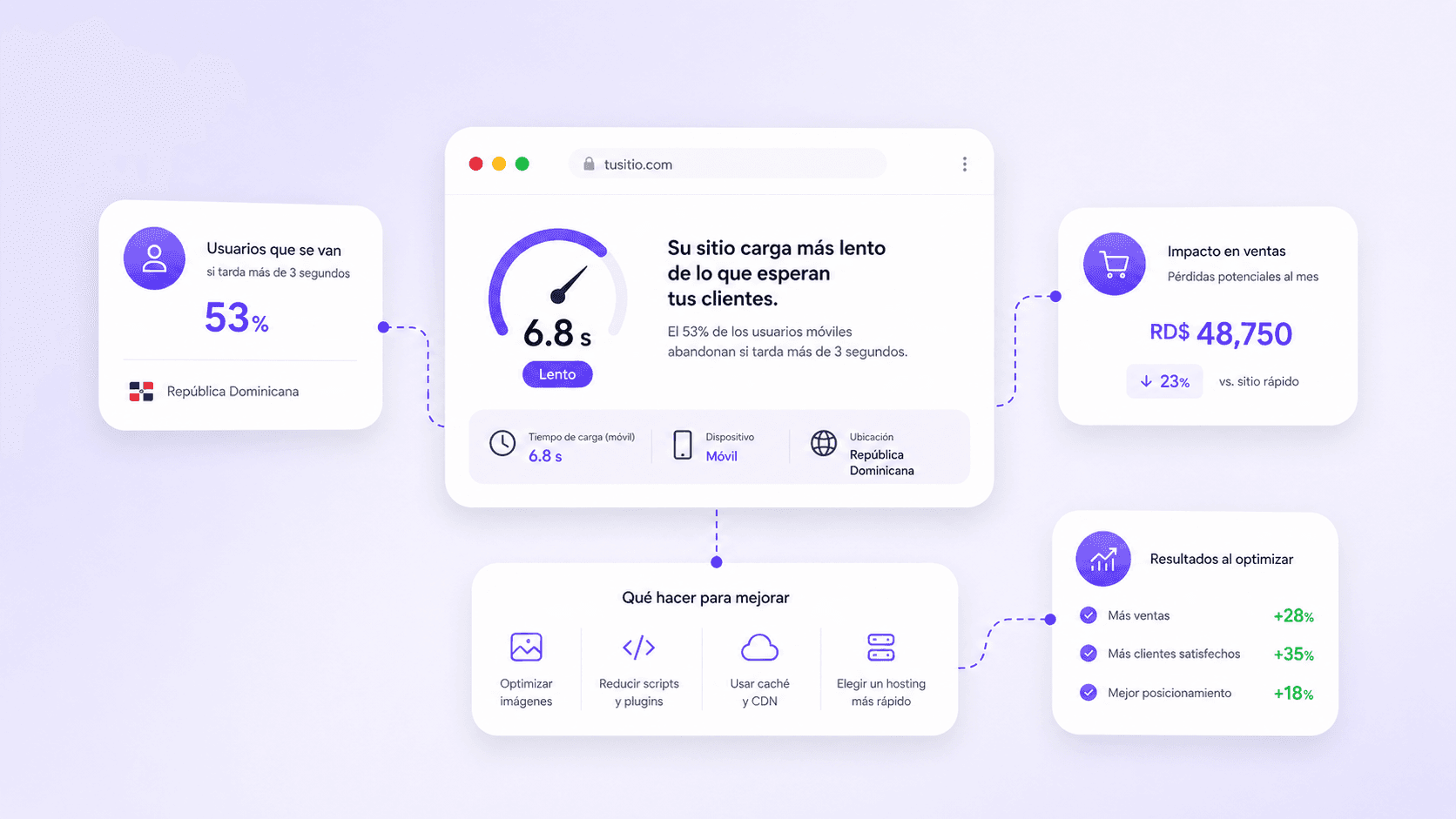
- Speed and performance. Sites get slower over time: heavy images, code piling up, crowded servers. Holding the speed is what holds your visitors — and your standing in Google.
- Backups. When something goes wrong — an attack, a mistake, an update that breaks a page — a recent backup is the difference between restoring in an hour and starting over.
- Platform and plugin updates. Out-of-date software is the number one reason sites go down or get hacked. Keeping it current stops one stale component from taking everything else with it.
- Monitoring. Knowing the site is down before your customer does. Watching that it is online, fast and working, around the clock.
What an unmaintained site costs you quietly
The trouble with skipping maintenance is that the damage never announces itself. A contact form that stopped working loses you inquiries for weeks before anyone notices. A slow page drives off customers who will never tell you why they left. A hacked site can wreck your reputation and your rankings overnight. Maintenance is not an expense you avoid; it is insurance you pay before the fire, not after.
Why it matters to have someone who answers
When something breaks, minutes count. Having the people who built the site also running it means a fast answer, someone who already knows your business, and fixes shaped around how you actually operate instead of a support script. It also means knowing which weeks of your year carry the revenue and what absolutely cannot go down during them.
From maintaining to operating
Classic maintenance is reactive: it fixes what breaks. But a site that merely stays up is not the same as a site that gets better. The real difference is moving from maintaining to operating: on top of keeping everything working, using the data the site hands you to adjust it so each month performs a little better than the last. That is the part that pays for itself.
In short
Maintenance keeps your site secure, fast and online — and heads off the quiet losses nobody spots until it is late. An unmaintained site does not hold steady; it decays. The question is not whether you need maintenance, but who is doing it and how fast they answer when something happens.
We do not just maintain your site: we operate it — security, speed, backups and improvements driven by data — so you never lose customers quietly. See how in our website maintenance service, or build your project in minutes.
We do not just write about this. We build it and we run it.
Stores, integrations, websites and intelligence already in production. Serving North America and LATAM since 2008.