If you’re thinking about selling online, sooner or later you’ll hear the word “WooCommerce.” It’s the foundation under millions of stores worldwide, probably including a few of your competitors’. But the useful question isn’t “what is WooCommerce?” — it’s “is it right for my business, and what does it take to actually sell with it?” That’s what we’re here to answer.
What it is, in one sentence
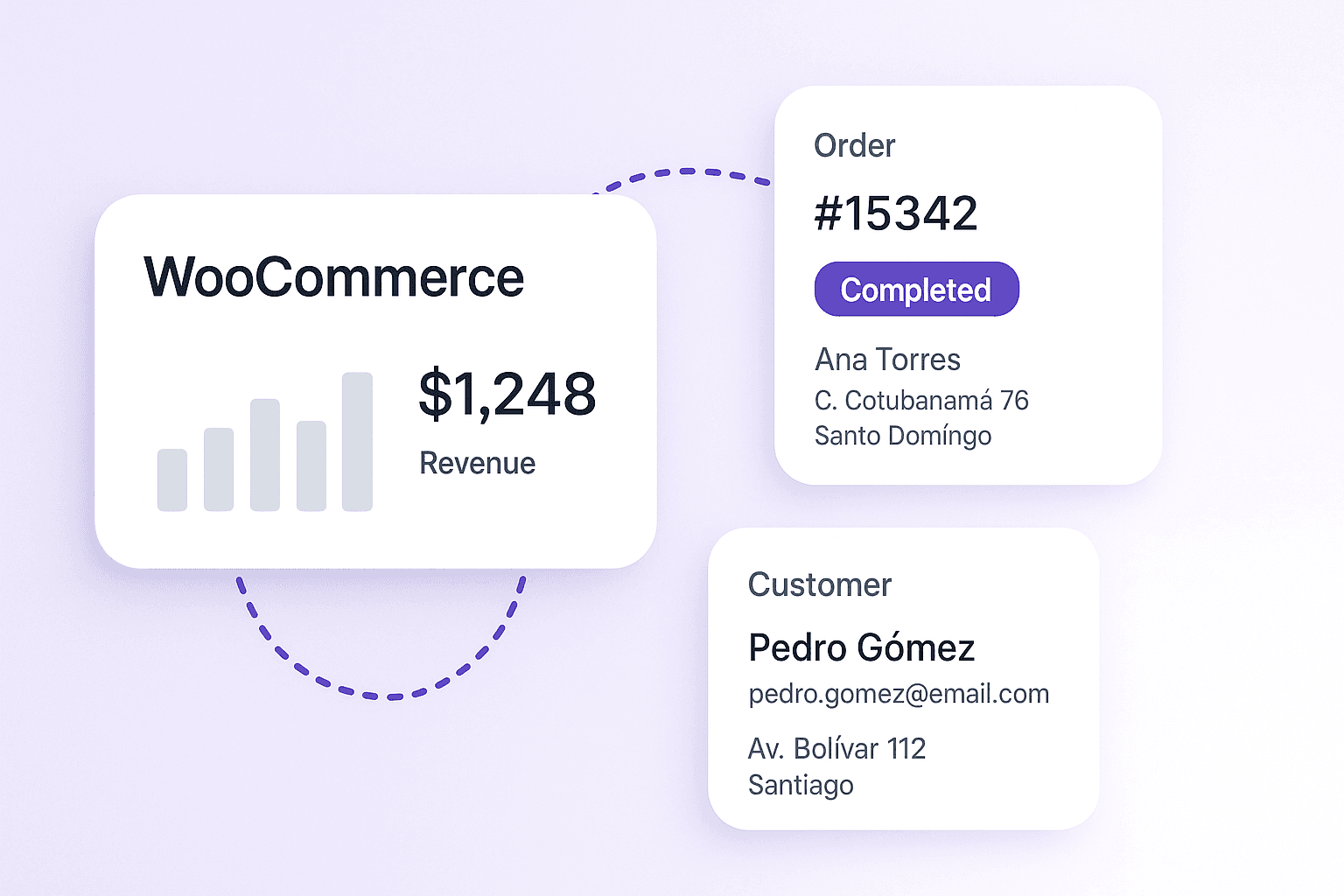
WooCommerce turns a WordPress site into an online store: catalog, cart, payments and orders. It’s free, it’s mature, and it bends to almost any business. That flexibility is its greatest strength — and the reason a badly built store ends up half-finished.
Who it pays off for
WooCommerce is a solid foundation when you want to run your own store without waiting on someone else for every change: add a product, adjust a price, launch a promotion. It handles a twenty-item catalog as comfortably as one with thousands, and it grows with the business instead of forcing a rebuild two years in.
When the operation gets more complicated — inventory that has to match an ERP, wholesale pricing that changes by customer, invoicing and tax that can’t be handled by hand — WooCommerce still works, but no longer as a template: it has to be built and integrated. That’s the point where a store stops being a brochure with a Buy button and starts running on its own.
What nobody tells you: a store isn’t the design, it’s the operation
Loading the catalog is the easy part. What decides whether the store makes money is everything that happens after the click on Buy:
- Taking payment cleanly. Cards, wallets and whatever your customers actually reach for at checkout, with no friction in the way. Payment is where most sales quietly disappear when it’s poorly built.
- Invoicing and tax. Every order should produce its receipt and calculate tax correctly on its own, instead of landing on someone’s desk at the end of the month.
- Inventory that stays honest. If the store and your warehouse or ERP don’t talk to each other, someone ends up copying stock counts by hand — and selling what you no longer have.
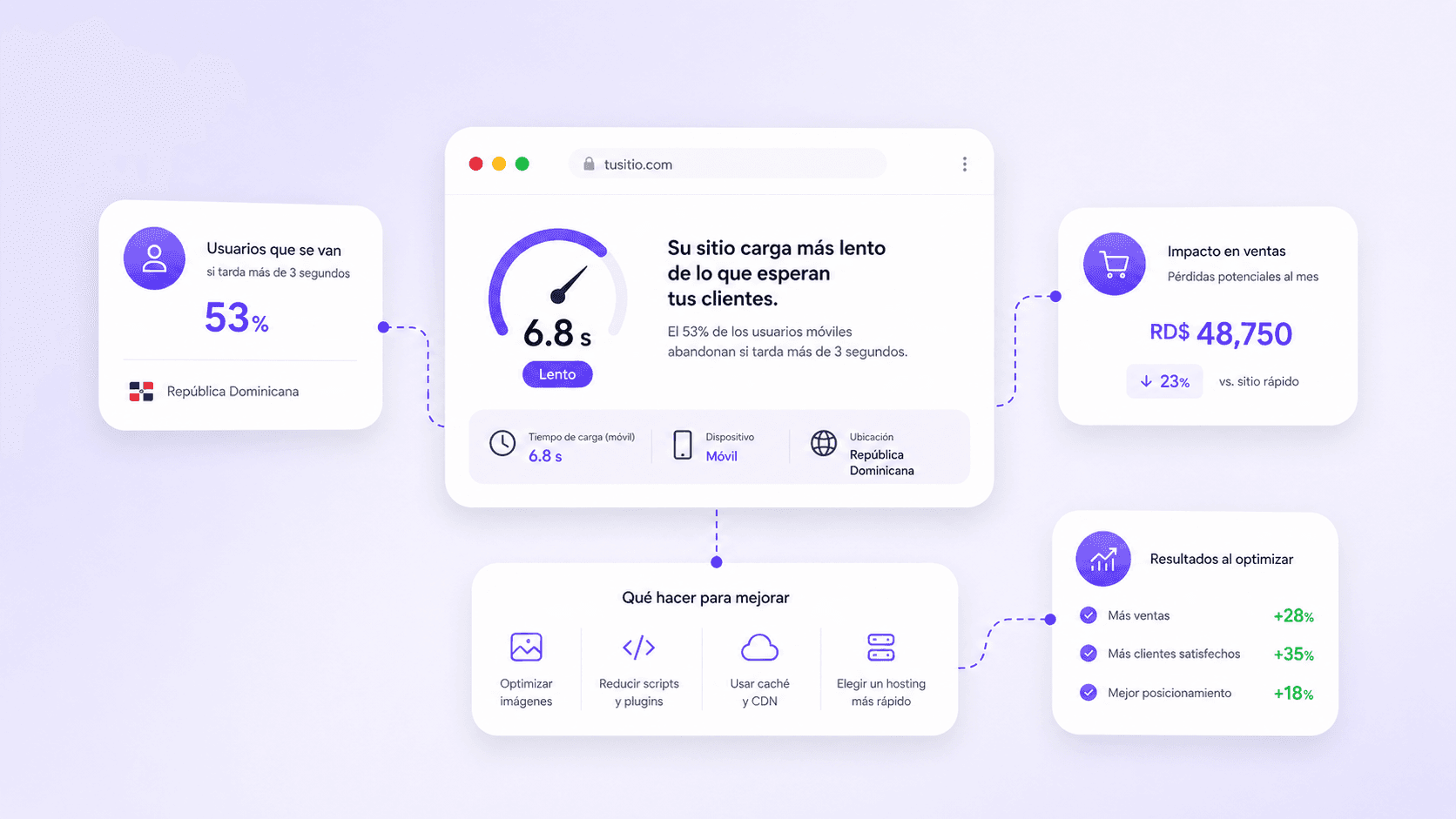
- Selling at night, on a phone. Most of your traffic arrives on mobile, at every hour of the day. The store has to be built for that, not merely look sharp on a desktop monitor.
WooCommerce, Odoo or custom: how to choose
WooCommerce is the right starting point for most businesses. When the company already runs on an ERP like Odoo, the store belongs inside that system so orders, inventory and invoicing move as a single flow. And when neither route is enough, it gets built from scratch. The right answer depends on how you sell today — not on what’s in fashion.
The short version
WooCommerce is an excellent foundation for selling online, provided it’s built around the whole operation: payment, invoicing, inventory, mobile. A good-looking store that can’t take money isn’t a store; it’s an expensive catalog.
We build and operate stores on WooCommerce (and Odoo) that take payment cleanly, issue their own invoices and stay in sync with your inventory — and we stay on to keep them running. If you want to see what yours would look like, take a look at our online store service or build your project in minutes.
We do not just write about this. We build it and we run it.
Stores, integrations, websites and intelligence already in production. Serving North America and LATAM since 2008.